Not known Details About Lab Grown Diamonds
Table of ContentsSome Known Details About Lab Grown Diamonds What Does Lab Grown Diamonds Mean?The 2-Minute Rule for Lab Grown DiamondsAbout Lab Grown DiamondsAll about Lab Grown Diamonds
Typical ruby mining can have hazardous results on the atmosphere and in some cases includes dishonest labor methods. On the other hand, lab-grown diamonds are developed in controlled settings using advanced modern technology. They leave a smaller sized carbon impact and are totally free from the ethical worries frequently related to the diamond market. Lab-grown diamonds use you a chance to conserve substantially on your involvement ring budget without compromising high quality.What are lab-grown diamonds? Just how do they compare to all-natural diamonds, and are they worth it?
They are extra budget-friendly, yet their worth likely will not stand up gradually. They will also never have the exact same rarity, individuality and significance as an all-natural stone that was developed over billions of years deep in the earth. That stated, we're all regarding choices at Miriam's, and we always put customers first.
Lab-created rubies, also called synthetic rubies, are grown in a lab. They are the same to natural rubies in every way, including the method they glimmer and their resilience. You can not discriminate by looking. They have the very same chemical and physical residential properties as diamonds discovered in the earth, and are considered the very same gems under the Federal Profession Commission (FTC).
Get This Report about Lab Grown Diamonds
The procedure simulates the natural formation of traditional, extracted rubies, which are formed deep in the planet's crust, under conditions of heat and pressure. A ruby's natural process takes billions of years to create. On the other hand, rubies created in a laboratory take only a matter of weeks to form.
One of the top factors to purchase lab-created diamonds is that they are much more economical. Man made rubies can set you back up to 30 to 40 percent much less than natural rubies of the same dimension and high quality. That's due to the fact that the process of mining all-natural rubies is lengthy, hard, and costly. Diamonds from a lab simply set you back much less to make.

There are potentially fewer ecological effects given that they are not mined from the earth, and they might be more secure to make. Nonetheless, lab-made rubies still utilize lots of energy and take enormous manufacturing facilities to create, so they might not be as environmentally-friendly as we assume. You may want to trade-in or trade-up a lab-made diamond in a couple of years, just to discover it deserves dimes on what you paid for.
The Basic Principles Of Lab Grown Diamonds
The greater the supply, the less valuable the product. You may pay less to acquire your ruby now, yet you likely won't get more info a lot, if anything, back from it later on. All-natural rubies are more of a financial investment because they will constantly be an unusual product. Considering that they took billions of years to form, there will only be numerous all-natural diamonds readily available in our lifetime.
Diamonds are connected with happy events like interactions, wedding events, and wedding anniversaries. When picking a diamond, you want the very best you can afford. A lab-grown diamond may be the answer to finding the ideal budget friendly item of jewelry to commemorate your event or liked one. Lab-grown rubies are recognized by a number of names.
Whatever they are called, a lab-grown diamond, real to its name, is developed in a lab. Pressure High-Heat approach, and the other is the Chemical Vapor Deposition approach. The High-Pressure High-Heat technique is a simulation of the problems that lead to the formation of all-natural rubies in the depths of the planet.
The Basic Principles Of Lab Grown Diamonds
Critical between all-natural diamonds and lab-created ones is challenging for the typical person. A diamond simulant is a rock that imitates a diamond, however it doesn't have just the same residential properties as a ruby. Cubic zirconia is one instance of a low-cost diamond simulant. Moissanite is one more instance of a diamond simulant.
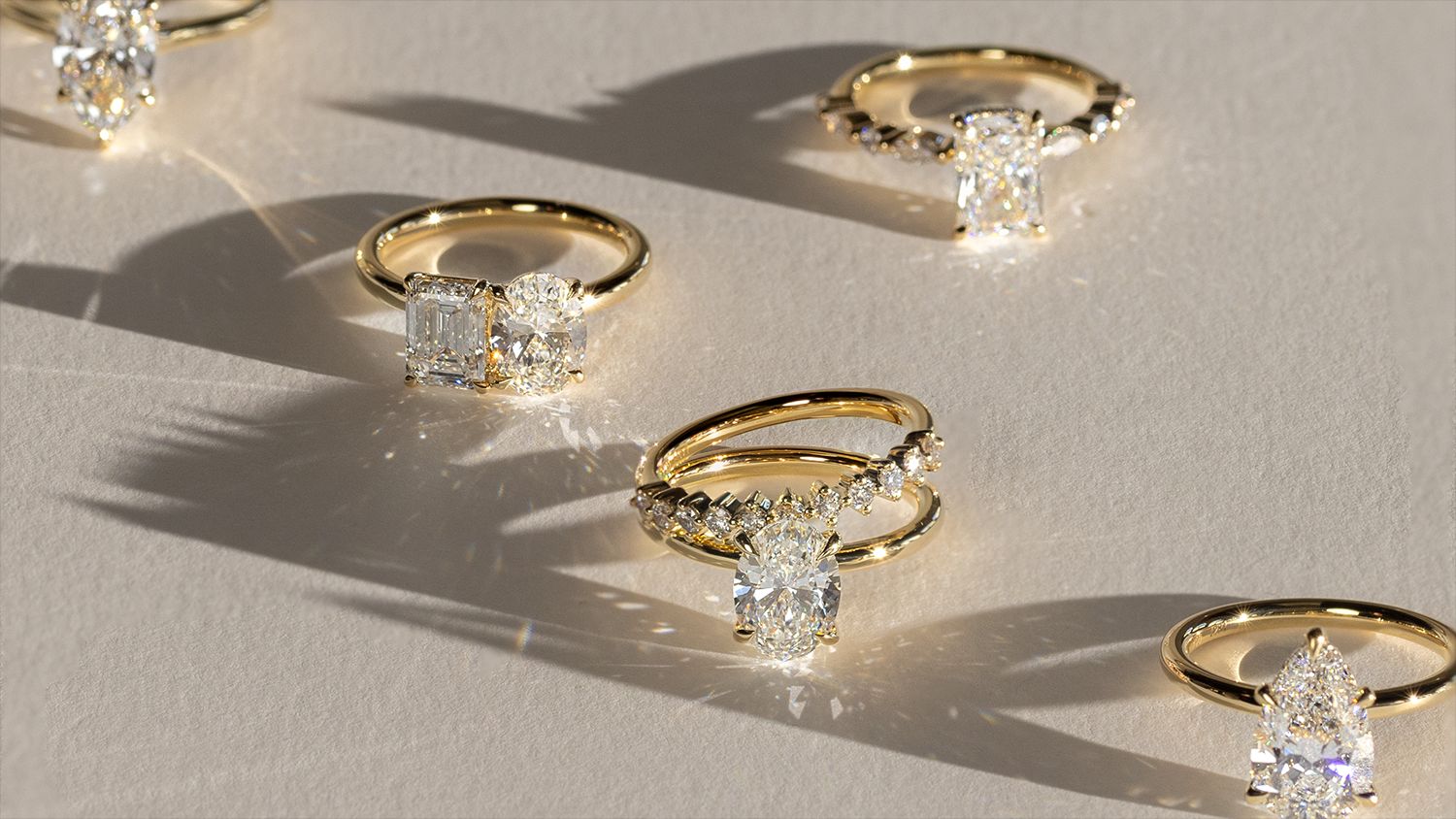
Lab-created diamonds are made from carbon like natural diamonds are. A lab-grown ruby's atomic make-up is the same as that of a natural ruby.
The damages to ecological communities and watersheds prolongs well beyond the opening where the diamond mine lies. In between damage to natural environments and making use of fossil gas for running tools, diamond mines are not ecologically pleasant. Lab-grown rubies, however, can be grown utilizing eco-friendly sources to power the centers.
Things about Lab Grown Diamonds
This is an additional factor to think about a lab-grown diamond. They are roughly 40% less costly than their mined equivalents. This implies you can get a larger lab-created stone for the same money. Or, you could pick a custom setting or much better metal than you assumed you would certainly have the ability to buy People worth knowing where their treasures stem.